Introduction: The iPhone App Is No Longer Just an App
There once was a time when we expected applications to do one job only: the calculator crunchled numbers, the messaging app sent messages, the shopping app served purchases. That notion, though, now holds a very different truth. Applications must anticipate what you want, personalize experiences and sync seamlessly across devices; while remaining fast, reliable, and secure.
And that evolution is more clearly on display than ever in the Apple ecosystem. Today, your average iOS app isn’t a handheld calculator anymore; it is the AI that gives a fitness app a human touch, the tool that saves a banking app from fraud, and the commerce engine that knows exactly which item to recommend at what time. Apple app developers can build the intelligence that business needs to connect with consumers, gain the efficiency to streamline processes and create lasting value.
There’s a big, opportunity ready for businesses ready to develop the latest iPhones application development that doesn’t merely keep up with the Joneses – but builds something with the lasting value required in the competitive environment. Knowing where iOS apps have gone is a critical piece to creating the next must-have app.
Build secure, scalable, and feature-rich iPhone applications with our iOS App Development Services.
How iOS Apps Have Evolved Over the Years
The journey of iOS applications reflects the rapid advancement of technology and changing user expectations.
The First Generation: Utility Apps
Early iOS apps focused on solving simple problems. Applications like calculators, note-taking tools, weather updates, and calendars provided convenience but offered limited personalization. Their primary goal was functionality rather than engagement.
The Experience-Driven Era
As smartphones became central to everyday life, users demanded better design, smoother navigation, and richer experiences. Businesses shifted their focus from simply creating apps to designing products that users enjoyed interacting with.
Apple's emphasis on intuitive interfaces and consistent design standards encouraged developers to prioritize usability, accessibility, and visual appeal.
The Intelligent Era
Today, iOS applications are powered by technologies such as Artificial Intelligence, machine learning, cloud computing, and predictive analytics. Instead of waiting for users to perform actions, apps anticipate needs, automate repetitive tasks, and provide personalized recommendations.
The shift from static mobile tools to intelligent digital products has fundamentally changed how businesses approach app development.
Why Businesses Are Investing More in iOS App Development
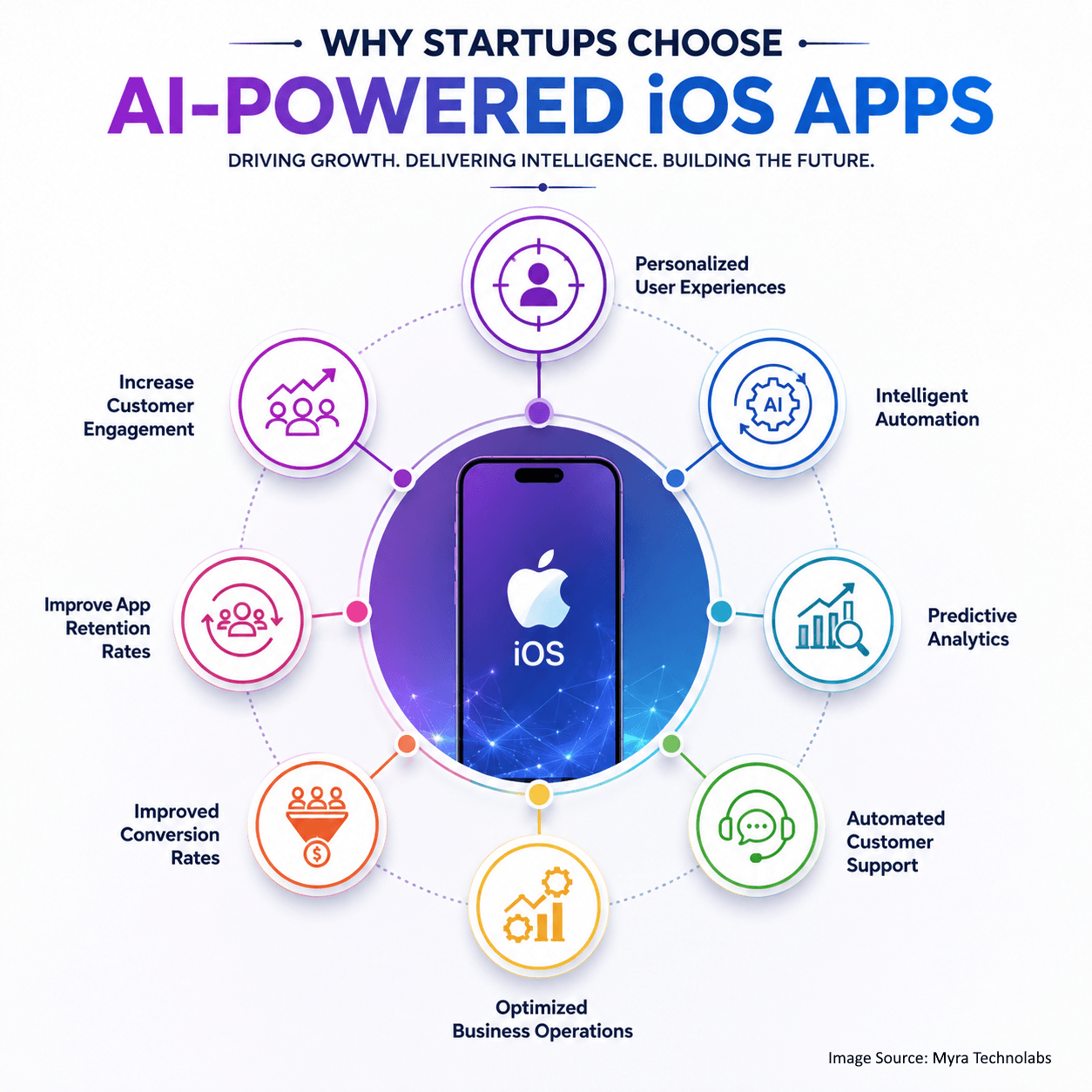
Apple's ecosystem continues to attract businesses across industries because it combines premium user experiences with strong security and performance.
Access to High-Value Users
iPhone users are known for high engagement levels and greater willingness to spend on premium products and services. This makes iOS an attractive platform for businesses focused on long-term customer value.
Strong Security Standards
Apple's privacy-first approach helps businesses build customer trust. Features such as secure authentication, encrypted data storage, and regular security updates create a safer digital environment.
Consistent Device Ecosystem
Unlike fragmented mobile platforms, Apple's tightly integrated ecosystem enables developers to optimize applications for a relatively consistent range of devices. This results in better performance and a more reliable user experience.
Long-Term Business Growth
An iOS application is no longer just a customer-facing platform. It can support internal workflows, automate business processes, improve communication, and create new revenue opportunities.
The Characteristics of Modern Intelligent iOS Apps
Today's successful iOS applications share several defining characteristics.
Personalization
Modern users expect apps to remember preferences, recommend relevant content, and provide customized experiences. Personalization increases engagement while improving customer satisfaction.
Seamless Connectivity
Applications now synchronize information across iPhone, iPad, Mac, Apple Watch, and cloud services, ensuring users can continue their activities without interruption.
Real-Time Performance
Users expect instant responses regardless of network conditions. High-performance iOS apps minimize loading times and maintain smooth interactions even during heavy usage.
Security and Privacy
Data protection has become a competitive advantage. Businesses that prioritize privacy gain greater customer confidence and comply more effectively with evolving regulatory requirements.
Continuous Improvement
Unlike traditional software products, intelligent iOS applications evolve through regular updates, user feedback, analytics, and new feature releases.
Behind Every Intelligent iOS App: A Story of Continuous Innovation
Think of a retail company which first decides to make a basic mobile shopping app where users can browse products, add to cart and then buy them.
Post the launch data says that lots of customers abandon cart just before they checkout. The business doesn’t get demoralised by this. The business analyses how the users are behaving and improves the buying experience by offering personalization, faster checkout and improved search.
Later on artificial intelligence analyzes previous orders of a user and recommend them relevant products that can be bought as complementary. Push notifications instead of a generic ones are targeted and timed well. Updates are reflected in inventory and a.i helps in customer support too.
In a few years this is not just a shopping app anymore. It becomes a shopping bot. A virtual assistant for a customer who understands preferences, streamlines purchases, and encourages repeat business.
It is the journey of continuous innovation and iteration - and not just the launch - that separates thriving ios apps from the ones that fade into obscurity shortly after their release.
Technologies Driving the Evolution of iOS Apps
Several innovations are accelerating the transformation of iOS applications into intelligent digital experiences.
Artificial Intelligence
AI enables applications to deliver personalized recommendations, automate customer support, recognize images, analyze user behavior, and improve decision-making.
SwiftUI
SwiftUI simplifies interface development while helping businesses deliver consistent experiences across Apple's expanding ecosystem.
Cloud Computing
Cloud integration enables real-time synchronization, secure backups, collaborative workflows, and seamless access across multiple Apple devices.
5G Connectivity
Higher network speeds allow developers to create feature-rich applications supporting live streaming, video conferencing, augmented reality, and cloud gaming without compromising performance.
Looking for a complete digital solution? Our Mobile App Development Services help businesses build scalable applications across iOS, Android, and cross-platform technologies.
Apple Intelligence Is Redefining the iOS Experience
On-device Intelligence in the New Age of iOS Apps. It’s a massive improvement. In the previous generation, most of us relied on iOS apps communicating back to a remote cloud infrastructure for any and all of our “smart” services.
Whether it was speech-to-text for dictation, AI-powered Siri assistance, smart replies in the Mail app, the trend for years has been for data to travel off-device.
With all of that now moving onto the hardware, what does that mean for the future of your favorite iPhone applications? It is something that opens doors to powerful and innovative possibilities that developers can use today! If you’re in business developing for iOS, think of a healthcare app which can interpret and diagnose trends based on a users’ input without having to send your personal health data into the ether or the new age of mobile productivity apps that could interpret your notes and dictate what tasks you have scheduled in your day, without you having to type anything. These new smart abilities are moving into the iOS fold more and more as Apple dedicates more hardware, time, and R&D resources into such powerful on-device smarts.
Get ahead of the curve as the faster and more intelligent iOS experience evolves as a whole.
Beyond Smartphones: iOS Apps Are Becoming Connected Experiences
An iOS app is no longer limited to the iPhone. Users now expect a connected experience across Apple's ecosystem, including iPad, Apple Watch, Mac, Apple TV, and emerging devices.
For businesses, this means designing applications that work seamlessly across multiple touchpoints rather than focusing on a single screen.
Consider a fitness platform:
- A workout begins on an iPhone.
- Heart rate is tracked through Apple Watch.
- Progress is reviewed on an iPad.
- Detailed reports are analyzed on a Mac.
The experience remains consistent regardless of the device being used.
This interconnected approach strengthens user engagement and creates a more valuable digital ecosystem around the application.
How to Measure the Success of an iOS App
Launching an application is only the beginning. The true measure of success lies in how users interact with it over time.
User Retention
A high retention rate indicates that users continue finding value after the initial download. If customers regularly return to the app, it demonstrates strong product-market fit and a positive user experience.
Daily and Monthly Active Users
Tracking Daily Active Users (DAU) and Monthly Active Users (MAU) helps businesses understand engagement levels. Consistent activity suggests that the application has become part of users' daily routines.
Session Quality
Rather than focusing solely on how long users spend in the app, businesses should evaluate whether those sessions are meaningful. Efficient navigation, completed actions, and successful task completion often matter more than extended usage.
Customer Feedback
Ratings and reviews on the App Store provide valuable insights into user satisfaction. Positive reviews improve credibility, while constructive feedback highlights opportunities for future enhancements.
Performance Metrics
High-performance applications maintain:
- Fast loading speeds
- Minimal crashes
- Stable responsiveness
- Efficient battery usage
- Reliable synchronization across devices
Monitoring these indicators ensures that the app continues delivering a high-quality experience as it grows.
Best Practices for Building Future-Ready iOS Applications
Businesses aiming for long-term success should adopt development practices that support continuous innovation.
Build Around User Problems
Successful applications focus on solving genuine customer challenges rather than adding unnecessary features. Every function should provide clear value.
Prioritize Privacy
Privacy is one of Apple's strongest competitive advantages. Implementing secure authentication, encrypted communication, and transparent data handling builds customer confidence.
Design for Scalability
As businesses grow, applications must handle increased users, additional features, and evolving business requirements without compromising performance.
Optimize Performance
Fast startup times, smooth animations, responsive interfaces, and efficient resource management contribute significantly to user satisfaction.
Continue Improving After Launch
The launch marks the beginning—not the end—of the product journey. Regular updates, analytics, feature improvements, and customer feedback should shape future development decisions.
Looking to build scalable enterprise applications beyond mobile? Explore our Custom Software Development Services for tailored digital solutions.
The Future of iOS Apps: From Mobile Tools to Intelligent Digital Experiences
Your next iOS apps will be much more reactive; they’ll actually anticipate your needs, make decisions for you and deliver tailored real-time experiences. We’ll see increased use of AI for recommendations, voice interaction, and accessibility, while new, real-time augmented experiences, will be a cornerstone of mobile shopping, learning, and entertainment. Expect apps to be cloud-native for improved scale and advanced analytics for better customer insights.
At the same time, privacy innovation will continue to be a pillar of the Apple experience; companies who integrate intelligent functionality responsibly will benefit in the long run.
In a future where apps will be less of a single product and more of a dynamic digital platform to manage relationships, streamline operations, and accelerate the business, businesses will be well served to invest accordingly.
Frequently Asked Questions
1.Why is iOS app development a good investment for businesses?
iOS provides access to a loyal, high-value user base, strong security standards, consistent performance, and excellent opportunities for customer engagement and revenue growth.
2.What technologies are shaping modern iOS app development?
Artificial Intelligence, SwiftUI, cloud computing, machine learning, augmented reality, 5G connectivity, and Apple's on-device intelligence are among the most influential technologies driving innovation.
3.How often should an iOS application be updated?
Regular updates are essential to maintain compatibility with new iOS versions, improve security, fix bugs, and introduce new features based on user feedback.
4.Can startups benefit from iOS app development?
Yes. Many startups choose iOS because it offers a premium audience, reliable performance, and strong monetization opportunities while allowing faster validation of new ideas.
5.What makes an iOS app successful?
A successful iOS app combines intuitive design, reliable performance, meaningful functionality, strong security, continuous improvement, and a clear understanding of user needs.
Conclusion
The evolution of iOS applications reflects a broader transformation in digital innovation. What began as simple mobile tools has become a new generation of intelligent digital experiences capable of learning, adapting, and delivering real value to users.
For businesses, this shift represents more than a technological upgrade—it is an opportunity to strengthen customer relationships, improve operational efficiency, and create sustainable competitive advantages. Success in today's market depends on building applications that prioritize user experience, performance, privacy, and continuous innovation rather than simply adding features.
Whether you're launching a new product or modernizing an existing application, investing in strategic iOS app development can position your business for long-term growth in an increasingly connected digital world.
As customer expectations continue to evolve and Apple's ecosystem introduces new capabilities, businesses that embrace intelligent app development today will be better prepared to lead tomorrow's digital economy.